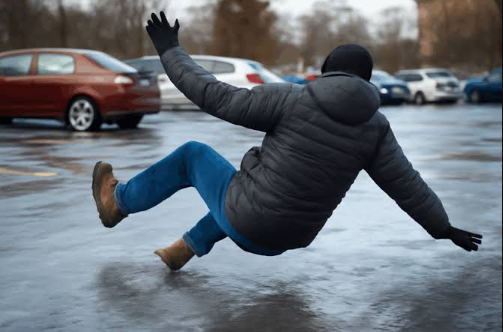
Who pays for the ambulance ride when a shopper goes down on black ice in a store parking lot and hits her head? The insurer answers that question quickly, and its first answer is almost always the shopper herself. That is a negotiating position rather than a finding, which is why the accident lawyer Ogden UT shoppers hire after a winter fall opens the file with plow logs and salt receipts. Who absorbs the bill turns on what the property owner did about a hazard it had reason to know about, not on how carefully she was walking.
Winter Turns Retail Lots Into Hazards
Falls do not spread themselves evenly across the calendar. National injury surveillance data on adults 65 and older puts winter ahead of every other season for fall-related emergency visits. Roughly 26 percent of those visits land in winter, against about 24 percent in each of the other three seasons. That is a small gap on paper, and a genuinely busy December in a county the size of Weber.
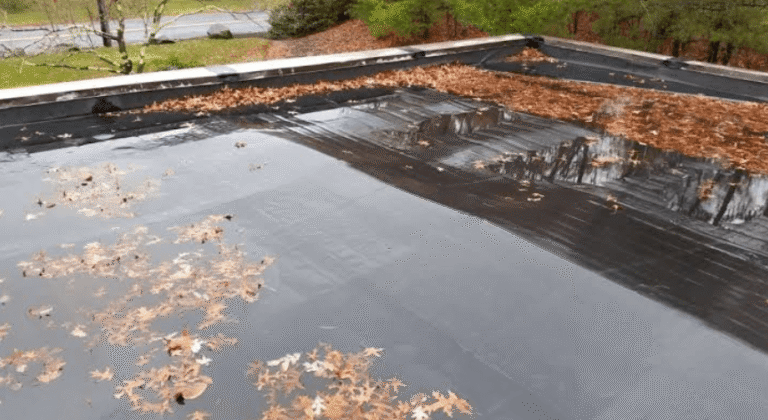
The mechanism is dull, which is exactly why it repeats. Afternoon sun melts the snow pile a plow shoved to the lot’s edge, the meltwater runs toward the low spots, and after sunset it sets up as a clear sheet. The case that turns up most often here is not the blizzard. It is the calm, cold Tuesday after a thaw. NOAA’s free Storm Events Database will tell you what the weather actually did on a given date, which beats accepting a store’s account of a surprise freeze.
National injury numbers get waved off because the headline totals read as good news. Reporting in July 2026 on a new federal mortality report put the death rate in the United States at a record low near 689 deaths per 100,000 people in 2025, with unintentional injuries ranking third among leading causes of death. Both things are true at once. Falls sit inside that third-place category, and a head strike on frozen asphalt is exactly what it counts.
See also: 8 Hair Loss Treatments for Men in Their 20s I’d Actually Pick in 2026
Who Is Responsible For A Lot’s Ice
Premises liability rules vary by state, so the only answer that matters is the one where you fell. A Utah court generally works through whether the owner knew or should have known about the hazard and had a reasonable chance to address it. That reframes the fight as paperwork: plow contracts, salt purchase orders, work tickets, camera footage, prior complaints about the same sunken patch of pavement. The lot’s maintenance record decides these claims far more often than the shopper’s shoes do. A store that salted at 5 a.m. and logged it stands somewhere very different from one whose contractor last invoiced in November.
Ice keeps its own schedule. The salting crew’s schedule is the one that ends up in evidence.
Handle the medical side before any of that. A head strike on ice warrants prompt evaluation even if you feel steady enough to drive home, because symptoms can surface hours later. The National Institute on Aging advises older adults to report every fall to a doctor, even one that caused no pain at the time, since a fall can signal a new medical problem.
A winter storm can drop a hazard in a lot that has nothing to do with footing. If a line comes down and someone is still in contact with it, NIH guidance on MedlinePlus is blunt about the rule: never touch that person, and call 911. Stay at least 20 feet back from a high-voltage source until the power is cut. Different hazard, different rule. Back to the ice, since that is what fills the emergency room.
What The Seasonal Pattern Should Tell You
Predictable risk is harder to disown. Any retailer operating through a northern Utah winter has known since its first December that daytime meltwater refreezes overnight, which makes a January ice sheet foreseeable. Photograph the spot before the sun moves it, get an incident report number from the manager, and keep the boots you had on. Ask the adjuster whether a recorded statement is genuinely required before you sit for one. None of that costs anything, and all of it ages well. The accident lawyer Ogden UT shoppers eventually call will be working from your timestamps rather than the insurer’s version of a careless customer.