The buyer called in February about a brown ring on the back bedroom ceiling of the 1950s Cape she had closed on in October. Stains that come back like hers make up a steady share of our roof repair new britain ct calls, and they almost always trace to a repair somebody else already declared finished. Her inspector had flagged a patched section of roof, the seller’s paperwork said the leak was handled, and the ceiling had been painted so cleanly that nobody could find where the old ring had sat. By February it was back in the same rafter bay, wider than the photo in her inspection report.
Here is the plain version, and it is the whole argument of this article: paint covers a symptom, and until somebody finds the actual entry point, every dollar spent after that gets spent twice. A repair begins with leak detection and an honest look at the shingles, the flashing details and the ventilation. Fresh paint begins nowhere.
Fresh Paint Is Not A Finished Repair
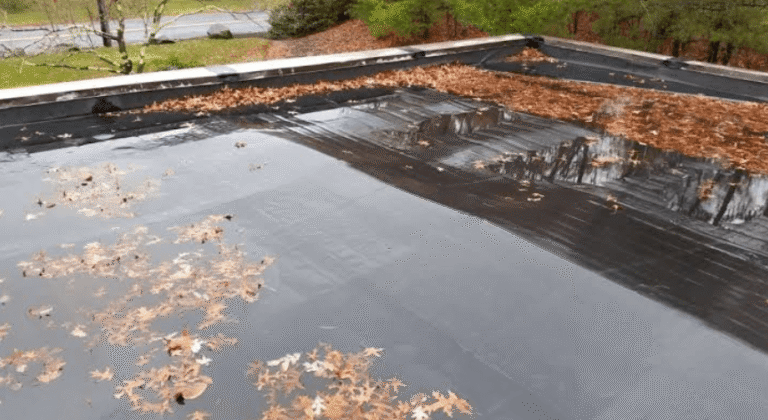
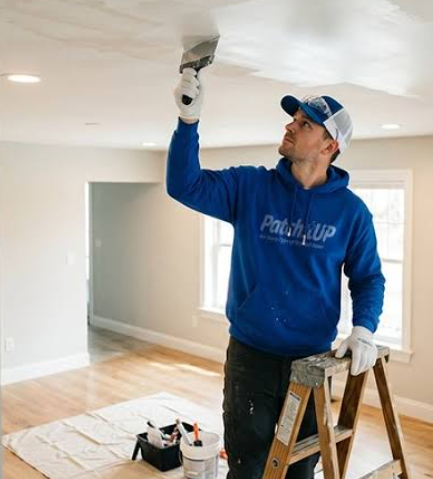
On a flip, the ceiling is the last thing done and the first thing a buyer looks at. The case we see most often is not fraud, it is sequence: somebody caulked a detail in July, nobody watched it through a wind-driven rain, and the drywall got skim-coated and rolled out two weeks before the listing photos went up. So the house shows clean. Then the freeze-thaw cycle arrives and the same nail hole, the same lifted shingle tab, the same rusted step flashing all go back to work. Nothing about the paint changed what the water was doing above it. A stain that returns in the same bay is real information, and it beats any assurance handed across a closing table.
Hedging A Repair Costs More Than Fixing It
In betting, a hedge is a second real stake placed against your first one, and it costs money up front to cap what you can lose. Painting over a stain is not a hedge. Nothing was staked against the water, so the odds above that ceiling never moved, only your view of the scoreboard did. The arithmetic on the flipped Cape is not complicated: say the earlier patch and paint job ran a few hundred dollars, and by February the buyer was looking at a stained ceiling, a soaked bay of insulation above it, and a flashing detail that needed replacing in the first place. The second visit is always the expensive one, because interior work is attached to it now.
Water Travels Far Before It Shows
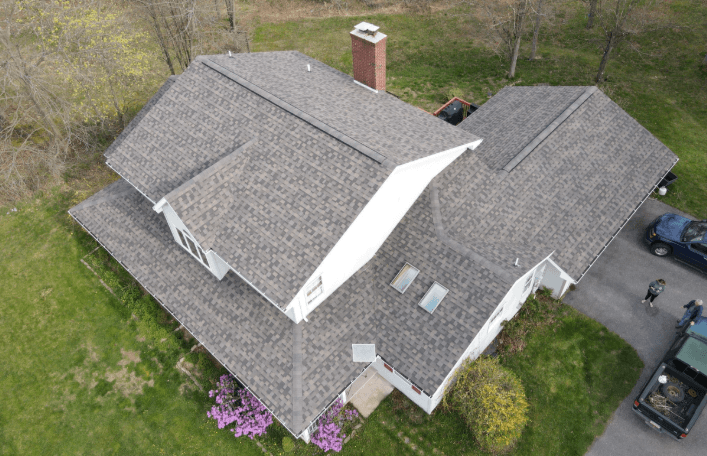
Water does not fall straight through a roof. It slips past a shingle, runs down the underlayment until it meets a fastener or a seam, then follows the top edge of a rafter, sometimes ten or twelve feet, before it finds a drywall screw or a fixture box and drips. That is why the stain and the hole are rarely in the same place. On the Cape, the entry was chimney counterflashing that had been tucked and caulked instead of cut into the masonry. Wind off the northeast pushed rain up under it, the water ran a sheathing seam, crossed the ridge at a cap shingle nailed too high, and came down the far bay. From the bedroom it looked like a bad shingle overhead. From the roof, the shingles overhead were perfect.
One thing to be blunt about before anyone goes looking. If a stain is spreading around a ceiling light or a fan, or the drywall is sagging and wet, shut that circuit off at the panel, keep everyone out from under the ceiling, and have an electrician and a roofer look at it before a ladder comes out. Ready.gov’s flood guidance states the rule the same way for storm water: never touch electrical equipment while you are wet or standing in water, and treat standing water around a storm-damaged house as energized by downed lines until 911 or the utility tells you otherwise. Wet ceilings and live wiring are one problem, not two.
Timing is the other half of why a hidden patch stays hidden and then suddenly does not. NOAA’s National Centers for Environmental Information, in its February 2026 monthly climate report, ranked the month the fourth-warmest and fifth-driest February on record across the Lower 48, and then the pattern flipped into a late-February nor’easter that set snowfall records and affected roughly 115 million people. A mild, dry stretch tests nothing. The storm that ends it tests every seam on the roof at once, which is how a buyer goes from four quiet months to a wet ceiling in a weekend.
Questions Buyers Ask About Recurring Stains
Why did the stain come back if the roof was already repaired?
Because a patch treats the place water showed up, not the place it came in. Sealant over a flashing detail buys a season, sometimes two, then it shrinks and cracks. The stain returning in the same bay usually means the path never changed.
Can I go back to the seller for a leak this soon after closing?
That depends on your state’s disclosure rules, what the seller actually wrote, and what your inspector documented, so it is a question for a real estate attorney rather than a roofer. What helps either way is a written diagnosis with photos of the entry point. Get the roof looked at first, then decide whether the paperwork supports a conversation.
Do I need a whole new roof or just a repair?
Age, the condition of the shingles and how many prior patches are stacked up decide that, not the size of the stain. A twelve-year-old roof with one bad chimney detail is a repair. A brittle roof on its third layer of caulk over three different areas is a replacement conversation, and honestly the middle cases are hard to call from the ground.
See also: The Effect of Commercial Outdoor Seating on Modern Business Environments
Find The Entry Point Or Repaint Forever
The buyer’s ceiling is fixed, and the fix was not on the ceiling. We cut new counterflashing into the chimney, replaced the cap shingles that had been nailed high, dried the bay out, and only then let anyone touch drywall. What it took first was an afternoon of leak detection: hose testing, reading the flashing details, checking ventilation, and following the stain pattern in the attic instead of guessing from the bedroom. Ask for that assessment in writing before you hire anyone for roof repair New Britain CT homes need, and ask what they found rather than what they intend to caulk. A stain is a receipt for water that already got in, and the only repair worth paying for is the one that names where.