Which meter on that rental building is actually yours? Three tenants pay their own power and watch it closely, but the shared house meter bolted to the outside wall belongs to the owner alone. It runs the exterior lights, the laundry room, the well pump, and whatever is humming away in the crawlspace, and it climbs every winter with nobody to hand it to. On a three-unit building on Whidbey Island, that meter can read close to $180 in a January billing period, and no lease in the file makes that somebody else’s problem. The smallest fix is the one that gets discussed least, an array sized to the house meter by itself, which is worth raising with anyone quoting solar panels oak harbor wa for rental property. Not the whole building. Your side of it.
Every Small Rental Has One Bill Nobody Watches
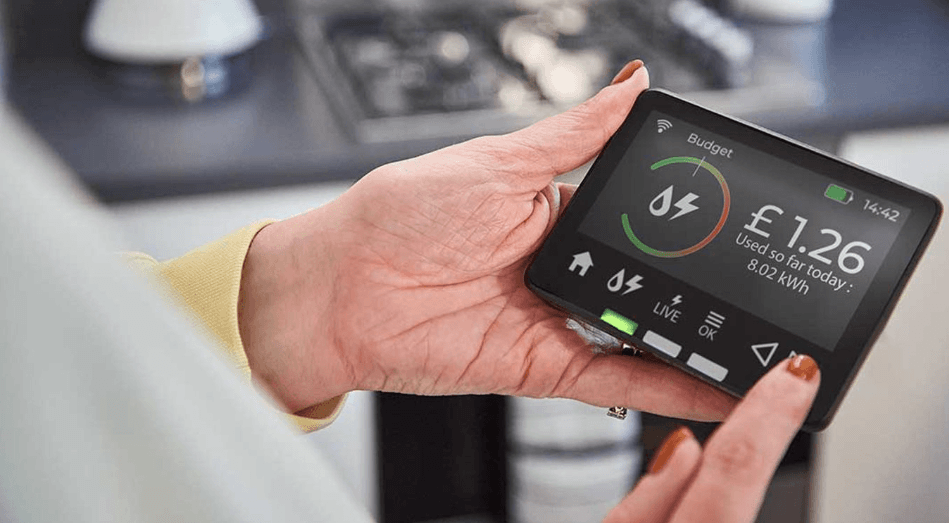
Owners track the rent roll, the mortgage, the insurance renewal and the property tax statement. The house meter sits underneath all of that as background noise, forty dollars here, ninety there, never big enough in any one month to earn a second look. ElectricChoice put Washington residential power at 14.95 cents per kilowatt-hour in August 2026, roughly 19 percent under the national average, and cheap power is exactly why this bill gets ignored for years at a stretch. It survives for the same reason. Nobody audits a line item that never hurts enough to remember. The meter never takes a day off, though, and twelve of those small months in a row add up to a real number on a small building.
The House Meter Runs Loads Tenants Never See
Walk a building like this with a clamp meter and the owner-paid side is duller than people expect. On small rentals I usually find two crawlspace dehumidifiers, a well pump serving all three units, a laundry pair running most evenings, and exterior lighting on a timer somebody set in 2019 and never touched again. None of it is interesting, and all of it is on your account. The dehumidifiers do the most damage in winter, because they run close to continuously from October until the ground finally dries out.
Typical shared house-meter loads on a three-unit rental building. Example scenario based on published residential load data.
| Load | Estimated Watts | Typical Hours Per Day | Monthly kWh |
| Exterior and stairwell lighting | 250 W | 4 hours | 30 kWh |
| Shared laundry (washer + dryer) | 1,500 W | 2 hours | 90 kWh |
| Well pump | 750 W | 2 hours | 45 kWh |
| Crawlspace dehumidifiers (x2) | 600 W | 10 hours | 180 kWh |
Those four loads together land around 345 kWh in a mild month. Add heat tape on the well house line, longer light timers and dehumidifiers pulling double the hours, and the same meter reads roughly twice that by December. So the problem has two halves: a base you can predict, and a winter swing you cannot pass along to anyone.
Sizing An Array To The Landlord Meter Alone
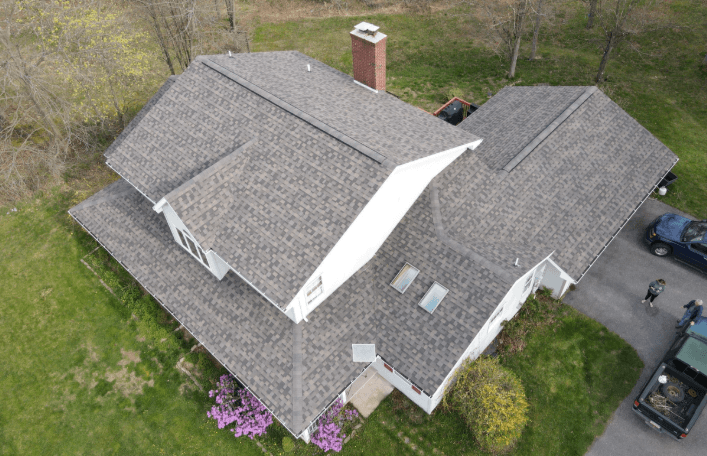
Start with twelve months of house-meter bills, not a roof photo. A quote for solar panels Oak Harbor WA landlords can actually use gets built off kilowatt-hours the owner already paid for, and the tenant meters stay out of the math entirely, since that power was never yours to offset. Sizing an array to the whole building sounds ambitious and prices most small owners straight out of the project. Sizing it to your own meter keeps the system small, the roof penetrations few, and the total inside the fifteen thousand dollar ceiling a lot of owners are quietly working with.
The work itself is not owner work. Meter base, service panel and rooftop array work is licensed electrician work, pulled under permit and signed off by an inspector, and no landlord should be opening panel gear to save a service call. If you find scorched insulation, a burnt smell or a buzzing breaker at that panel, stop, leave the cover on, and call a licensed electrician. Even the roof survey has rules a hurried owner almost never meets: OSHA’s fall prevention guidance for construction requires the ladder base set one quarter of the working length out from the wall, the top extended three feet above the surface, and every ladder kept at least 10 feet clear of power lines.
Running The Numbers On A Three Unit Building
Call the house meter $180 a month. Honestly, that is the December figure and it flatters the argument, because averaged across a full year the same meter sits closer to $120, or about 700 kWh. Use the annual average. It is what an array gets sized against, and it is the number a lender or a partner will ask you for anyway.
So run it out. Seven hundred kWh a month is 8,400 kWh a year, and at 14.95 cents that comes to about $1,256 in energy charges before the utility adds its basic charge on top. A 5 kW array on the south slope above the laundry room might produce somewhere near 5,000 kWh annually in this climate, covering close to 60 percent of that meter and leaving roughly $508 of energy charges behind. At an illustrative $2.90 per watt installed, the array itself is about $14,500 out of pocket.
Saving something like $748 a year against $14,500 is not a two-year payback, and anybody promising one is selling. What changes is the kind of expense it becomes. Buying the array is closer to buying a used delivery van than to paying a monthly bill: the money leaves once, it wears out on a schedule you can predict, and no one mails you a bigger invoice in January because the weather turned. For an owner who cannot hand the house meter to anybody, that swap is the whole argument.
See also: Boosting Laboratory Efficiency with Modern Centrifuge Technology
What Owners Should Settle Before Signing Anything
Ask the installer for production in kilowatt-hours per year rather than percentages, and find out which twelve bills the estimate was built from. Your utility is the one to call about how excess production on a landlord-owned account gets credited, since those rules differ by utility and by state, and the answer moves what size makes sense. Roof age matters more than owners expect, because putting an array over eight years of remaining shingle life is a decision you only get to make once. Permit and inspection responsibility belongs in writing, before anyone orders equipment.
The house meter is a small bill with a long tail, and on a three-unit building it is the only one the owner eats in full. Sizing a system to that meter alone keeps the project small enough to actually happen, and it turns a cost that climbs every winter into one that sits still. Pull the twelve months of usage together first. Then have somebody who does this daily walk the roof and the panel and tell you what the meter can realistically carry.