Introduction to Centrifugation
Centrifugation is a fundamental process in laboratories across clinical, pharmaceutical, and research fields. It allows for the separation of mixtures based on density by spinning samples at high speeds. Accurate and reproducible results rely on using the right centrifuge, especially when handling large sample volumes or high-throughput workflows.
A floor model centrifuge is often the preferred choice for laboratories requiring enhanced capacity and stability. Its robust construction and versatile features make it ideal for demanding applications that benchtop models cannot handle efficiently.
How a Floor Model Centrifuge Works
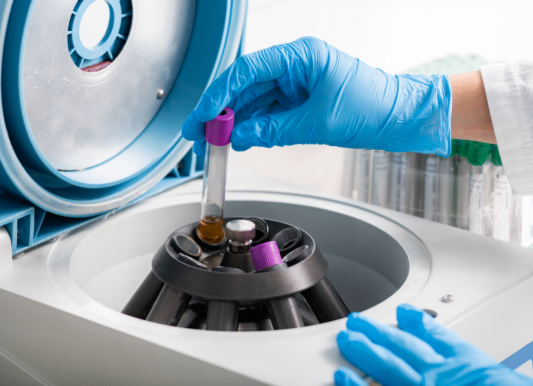
A floor model centrifuge separates sample components by generating centrifugal force. As the rotor spins, denser particles move outward while lighter components remain closer to the center. This process effectively separates solids from liquids, cells, or other particulates in a sample.
Unlike smaller benchtop models, floor model centrifuges are designed with heavy-duty motors and larger rotors, enabling the processing of multiple samples simultaneously or handling larger sample volumes with consistent accuracy.
Applications in Clinical and Pharmaceutical Labs
Floor model centrifuges are widely used in clinical laboratories for tasks such as blood separation, plasma preparation, and sample purification. In pharmaceutical research, they assist in cell culture processing, protein isolation, and formulation development.
The high capacity of floor model centrifuges allows laboratories to process large batches of samples efficiently, reducing overall processing time. Their stability ensures precise results even at high speeds, safeguarding both the samples and the instrument.
Industrial and Environmental Applications
Industrial and environmental laboratories floor model centrifuge also benefit from floor model centrifuges. These instruments help separate sediments in water samples, isolate microorganisms, and prepare industrial materials for analysis.
The robust construction and large sample capacity of floor model centrifuges make them suitable for heavy-duty applications, including high-viscosity or large-volume samples. Reliable operation minimizes downtime and ensures consistent results.
see also: fraud detection compliance division
Advantages of Using a Floor Model Centrifuge
- High Throughput: Capable of processing multiple samples or large volumes simultaneously.
- Stability: Heavy-duty design reduces vibrations and ensures safe operation at high speeds.
- Versatility: Interchangeable rotors and adapters allow handling of various tube sizes and sample types.
- Enhanced Safety Features: Many models include imbalance detection, automatic rotor recognition, and secure lid locking.
Technological Advancements
Modern floor model centrifuges include digital controls, programmable protocols, and integrated timers. Some models offer refrigeration options for temperature-sensitive samples, improving reproducibility and efficiency.
These technological improvements allow laboratories to maintain precision, reduce errors, and optimize workflow. Choosing a high-quality floor model centrifuge ensures reliability and long-term performance.
Best Practices for Laboratory Use
To maximize performance and lifespan, laboratories should follow best practices when using a floor model centrifuge. This includes balancing samples correctly, performing regular maintenance, calibrating the instrument, and adhering to operational protocols.
Implementing these practices ensures sample integrity, reduces the risk of errors, and extends the lifespan of the centrifuge, providing consistent and reliable results.
Conclusion
Floor model centrifuges are indispensable in laboratories requiring high-capacity, reliable, and precise sample processing. Their robust design, versatility, and advanced features make them suitable for clinical, pharmaceutical, industrial, and environmental applications.
By incorporating a floor model centrifuge into laboratory workflows, scientists and technicians can achieve reproducible results, enhance efficiency, and maintain sample integrity. For modern laboratories, this instrument remains a critical tool for effective and reliable analytical operations.