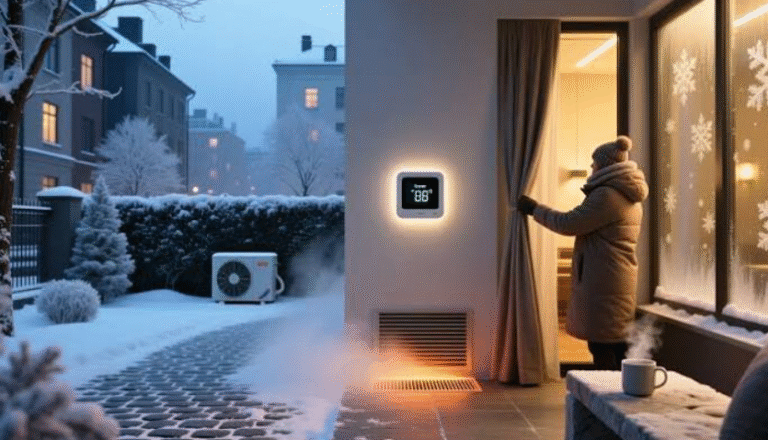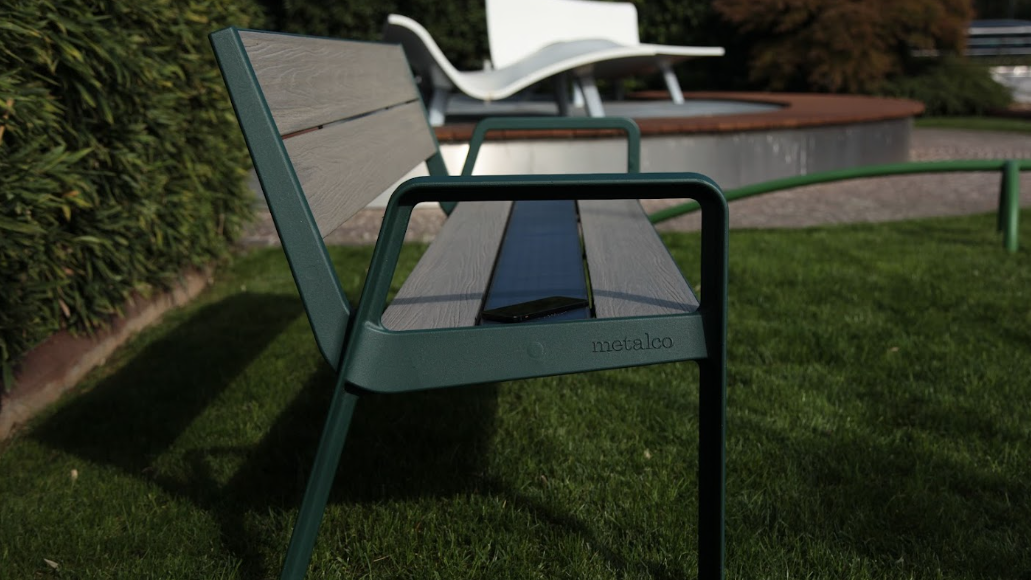
In the current commercial landscape, commercial outdoor seating has become an essential element of design, significantly influencing customer interactions with restaurants, retail shops, hospitality venues, and mixed-use developments. It is no longer a mere addition; outdoor seating has evolved into a fundamental feature that affects consumer behavior, duration of visits, and overall brand perception.
Extending Experiences Beyond Indoor Boundaries
Contemporary commercial spaces are expected to offer more than just indoor functionalities. Outdoor areas play a vital role in enriching the customer experience beyond traditional limits. Wisely designed outdoor seating enables businesses to activate sidewalks, patios, rooftops, and courtyards, creating inviting environments that feel intentional.
When such seating areas are carefully integrated, they cultivate a sense of comfort that encourages patrons to stay longer, return often, and view the brand as part of their lifestyle rather than merely a transactional exchange.
See also: 8 Hair Loss Treatments for Men in Their 20s I’d Actually Pick in 2026
Finding the Right Balance Between Comfort and Durability
One of the key challenges in creating commercial outdoor seating is balancing comfort with durability. Unlike indoor furnishings, outdoor pieces must withstand a variety of weather conditions, constant use, and continuous exposure to sun, moisture, and temperature fluctuations.
Effective designs commonly utilize weather-resistant materials such as powder-coated metals, treated woods, and commercial-grade composites. These materials ensure that seating remains aesthetically pleasing and structurally sound over time, even in high-traffic areas.
How Layout Influences Customer Flow
Outdoor seating in commercial environments serves more than just a decorative purpose; it plays a crucial role in directing customer movement throughout a space. Design decisions impact circulation patterns, accessibility, and overall functionality.
For instance, restaurants may use seating layouts to separate dining areas from pedestrian pathways, while retail stores might feature small seating clusters to encourage shoppers to pause and engage. In hospitality environments, seating arrangements typically delineate relaxation zones, social areas, and transitions between indoor and outdoor spaces.
Enhancing Brand Identity Through Design Elements
Every element of commercial design contributes to a brand’s identity, and outdoor seating is no different. The style, materials, and arrangement of seating can reflect a brand’s core attributes, whether it conveys a sense of modern simplicity, rustic warmth, or striking contemporary style.
When outdoor seating aligns with the overall architectural and landscape design, it serves as an extension of the brand experience, subtly communicating qualities such as hospitality, elegance, or creativity without the need for words.
Encouraging Social Engagement and Community Interaction
Well-planned outdoor seating areas naturally foster social interaction, particularly in urban settings, where these spaces often evolve into informal gathering spots for customers, employees, and passersby.
This aspect of community engagement can significantly enhance a business’s public perception. Spaces that appear open and welcoming generally attract more foot traffic and create stronger emotional connections with visitors.
Flexibility for Seasonal Changes and Design Adaptability
Another advantage of commercial outdoor seating is its adaptability across various seasons. Modular furniture designs enable businesses to rearrange seating according to changing weather conditions, customer volume, or seasonal events.
During warmer months, outdoor seating can be expanded to maximize capacity, while colder weather may require more compact, sheltered configurations. This flexibility helps ensure that outdoor areas maintain their functionality and attractiveness year-round.
Essential for the Integration of Modern Landscapes
As commercial design evolves, the integration of outdoor seating with landscape architecture is increasingly important. It should work in harmony with lighting, planters, walkways, and architectural features to create immersive and cohesive environments.
For businesses seeking to enhance their outdoor spaces, Spruce & Gander specializes in designing sophisticated environments where commercial outdoor seating is seamlessly integrated into premium landscape solutions, resulting in spaces that are both functional and inviting.