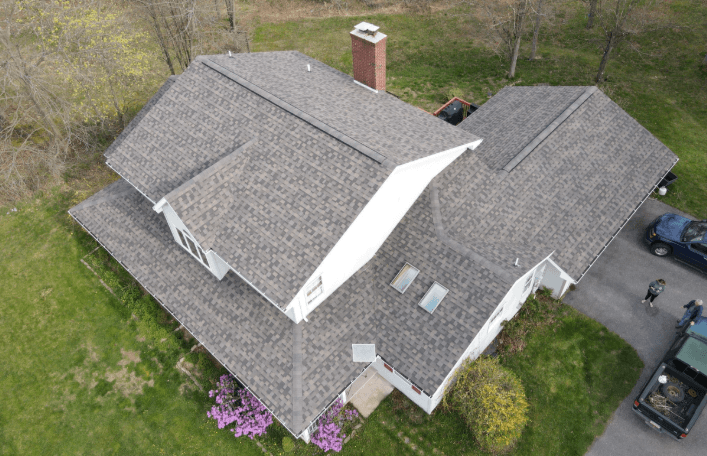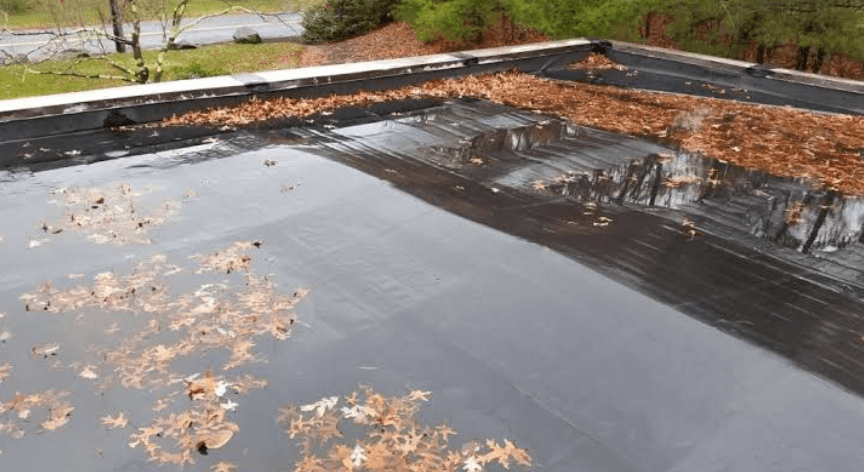
A coating is not a fix for ponding water, no matter how clean the bid looks. Plenty of coating jobs are the right call, and I have recommended them, but an owner who buys a coating to make puddles go away is usually buying two quiet years before the same phone call happens again. Water still sitting on a low-slope roof three days after rain means the drainage failed, not that the weather was unusual. This guide is for the owner-operator of a 12,000-square-foot single-tenant warehouse near the I-30 corridor: four roof drains, a fifteen-year-old membrane, and no maintenance line anywhere in the annual budget. The commercial roofing companies Little Rock AR owners should shortlist are the ones that inspect drainage and deck condition before quoting anything, because the scope chosen at the inspection, not the price agreed later, decides whether you are buying a fifteen-year repair or a two-year delay. That one decision moves more money than any negotiation that follows it.
Ponding Is A Drainage Failure Not A Weather Problem
Ponding is water that is still on the roof roughly forty-eight hours after the rain stops. On its own, it is not a membrane defect. It usually means the deck has deflected slightly, or the drains are partly blocked with gravel and leaf litter, or the roof was built with too little slope in the first place, and the membrane is only the part that gets blamed for the leak. Standing water is heavy, too. An inch of it weighs about 5.2 pounds per square foot, so a shallow pond one inch deep across 1,000 square feet is more than two tons of load sitting on a deck that may never have been designed to carry it. Water is patient, and it finds the seam eventually. Nobody from your business should climb up to look at it either, because CDC and NIOSH counted about 511,000 ladder injuries treated in 2013, at a cost of $24 billion, which is why roof access belongs to an insured contractor rather than to you and an extension ladder. If the deck is visibly sagging or water is dripping inside, clear the building and call a licensed professional immediately.
Coating Bids And Tear Off Bids Answer Different Questions
A coating bid and a tear-off bid are not two answers to one question. A coating extends the life of a roof that is basically dry and draining. A tear-off replaces the membrane and, more importantly, the insulation under it, which is where water that gets past a seam actually goes and stays. Job after job, what turns up under a blistered seam beside a pond is soaked insulation that a coating would have sealed in for another decade. On a building this size, say a coating comes in somewhere around $40,000 and a full replacement in TPO, the white single-ply sheet you see on most flat commercial roofs, closer to $100,000; the temptation is obvious. Roofing Contractor Magazine reported back in May 2026 that 32% of contractors were installing more material than the year before despite the pressure, with building material costs up 34% since December 2020, and nothing about that trend suggests waiting gets cheaper.
Ask Every Bidder These Questions Before Signing
Bids get compared on price because price is the easy column to read. The comparison that matters is what each bidder actually did before writing that number down. Ask the questions below and listen for whether the answer contains a specific figure or a shrug.
- Which of my four drains did you test, and how? A good answer describes flooding them and timing how long the water takes to clear.
- Is the insulation wet under the membrane, and how did you check? A good answer names a core cut or an infrared scan, not a walk-around.
- Does the warranty cover labor as well as materials, and for how many years each? A good answer separates the two numbers without being pushed.
- What happens to the price if you open the roof and find saturated insulation? A good answer gives a per-square unit price in the proposal.
- Who from your company is on the roof, and are they your employees? A good answer is a direct yes or a clear explanation of the subcontractor’s insurance.
Warranty Length Means Little Without Labor Coverage
Twenty years sounds like twenty years until you read which half of the work it applies to. Material warranties come from the manufacturer and cover the sheet itself, which rarely fails on its own. Labor warranties come from the contractor and cover the seams, the flashings and the drain details, which is where leaks nearly always begin. A warranty that excludes labor protects the part that almost never breaks. Get both terms in writing on the same page, then ask what voids them, because ponding is a common exclusion and a manufacturer that will not warrant standing water has just told you exactly what it thinks of your drainage. How many extra years a coating genuinely buys on a roof that ponds is the one number I cannot hand you. Nobody tracks it in a way I would trust in front of a client, and the honest answer depends entirely on how wet the insulation already is.
See also: The Effect of Commercial Outdoor Seating on Modern Business Environments
A Local Crew Beats A Cheaper Storm Chaser
After a hail event, out-of-state crews show up with a lower number and a magnetic door sign, and part of the reason that number is lower is that there is no one to call in year four. A roof with four drains and a history of ponding needs somebody who will come back in October, clear the strainers, and tell you what changed since spring. The shortlist of commercial roofing companies Little Rock AR owners return to year after year stays short for that reason, not because of price. Fix the drainage first, buy the scope the inspection justifies, and treat the warranty on labor as the real product you are paying for.