The interview is over. You’ve shaken hands (or clicked “End Meeting”), the adrenaline is fading, and now begins the most excruciating part of the job hunt: the waiting game. While many candidates believe the “work” ends once they leave the room, the post-interview phase is actually where the most strategic maneuvering happens.
Most candidates view the thank-you note as a mere politeness—a digital tip of the hat. However, data suggests it is a critical decision-making metric. According to a comprehensive survey by CareerBuilder, nearly 57% of hiring managers say that receiving a thank-you note significantly influences their final choice, yet a staggering 75% of applicants fail to send one. This creates a massive competitive advantage for those who understand that the follow-up is not just a courtesy, but a closing argument.
The Strategy of the “Second Chance”
In a high-stakes US job market, the post-interview letter serves as your opportunity to reinforce your brand and address any “silent objections” the interviewer might have had. It is a rare moment where you have the floor without the pressure of an immediate back-and-forth.
If you find yourself struggling to strike the perfect chord between professional and persistent, you aren’t alone. Many high-achieving professionals now leverage specialized letter writing services to ensure their correspondence is polished, persuasive, and aligned with corporate etiquette. Using an expert eye helps you avoid the common pitfalls of being overly familiar or sounding robotic, ensuring your first post-interview touchpoint resonates with the recruiter’s specific culture.
The Anatomy of a High-Impact Follow-Up Letter
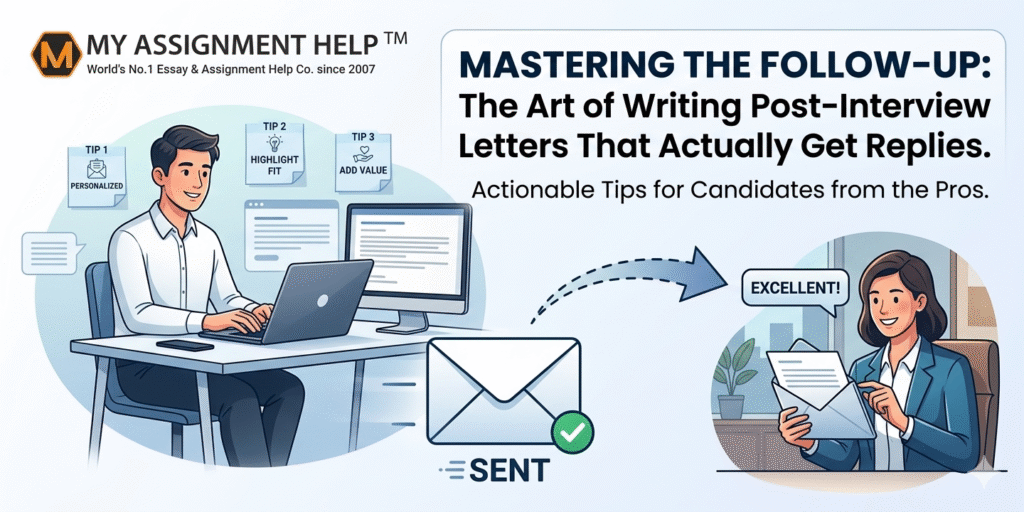
To move the needle, your letter needs to be more than a generic template. It must be a “Value-Add” document. Here is the framework for a letter that demands a reply:
1. The Subject Line: The 80/20 Rule
If they don’t open it, the content is irrelevant. In the US corporate world, clarity beats cleverness every time. Your subject line should include your name and the specific role to help the recruiter’s inbox filters.
- Weak: Checking in.
- Strong: Thank you: [Your Name] — [Job Title] Interview
2. The Personalized Hook
Reference a specific, nuanced moment from the interview. Did you discuss the company’s recent shift toward sustainable supply chains? Or perhaps a shared interest in a specific software integration? This proves you were not just present, but actively engaged.
3. The “Pain Point” Solution
The best follow-ups remind the employer that you are a problem-solver. Connect your skills directly to a challenge mentioned during the interview.
- Example: “I’ve been thinking about our discussion regarding the Q4 lead generation gap. Based on my experience with [Tool/Strategy], I believe we could implement a tiered approach to improve conversion by 15%.”
Navigating Complex Correspondence
Sometimes, the hiring process involves more than just “thank you” notes. You might find yourself needing to negotiate terms, clarify contractual misunderstandings, or even handle formal disputes regarding previous employment claims.
In these more technical scenarios, the tone shifts from “marketing yourself” to “protecting your interests.” For instance, learning how to write a claim letter is a vital skill for any professional dealing with administrative or HR-related discrepancies. Just as a follow-up letter sells your future, a claim letter secures your past—and both require a mastery of formal tone and evidence-based writing.
Data-Driven Insights: Timing and Medium
Does the medium matter? In the US market, 89% of recruiters prefer email for follow-ups because of its speed and ease of filing within Applicant Tracking Systems (ATS). While a handwritten note is a memorable touch, it often arrives too late in a fast-paced hiring cycle (Source: Robert Half).
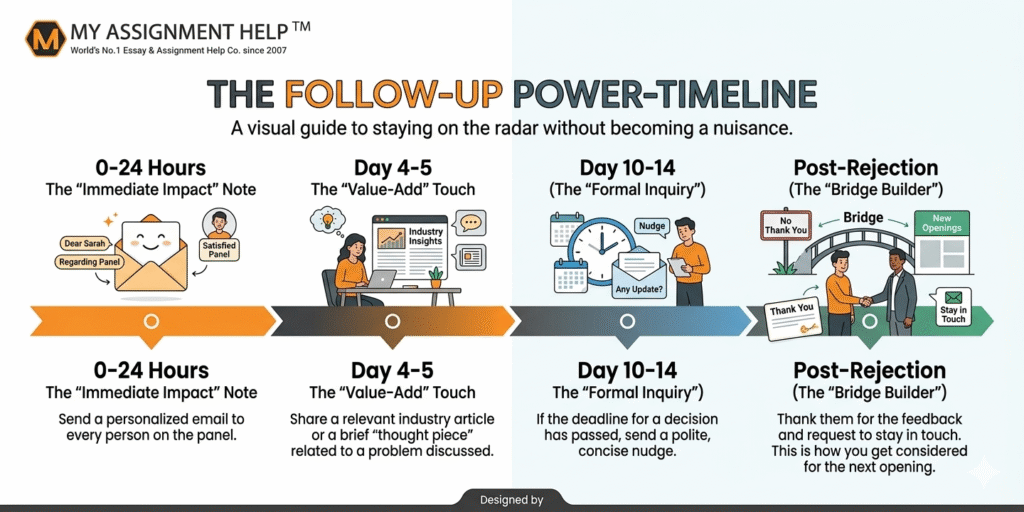
Furthermore, timing is everything. A study by iCIMS revealed that candidates who follow up within 24 to 48 hours are perceived as significantly more organized and enthusiastic than those who wait a week. In the mind of a recruiter, your follow-up speed is a proxy for your project turnaround speed.
See also: The Stakes of Academic Success: Navigating the 2026 Australian Higher Education Landscape
Avoiding the “Desperation Trap”
There is a fine line between persistence and pestering. If you follow up every two days, you move from “top candidate” to “compliance risk.”
- The Rule of Three: If you have reached out three times over three weeks with zero response, it is time to move on. Ghosting is an unfortunate reality of modern hiring, but maintaining your professional dignity ensures that if the role opens up again, you aren’t remembered as the person who “spammed” the HR department.
Key Takeaways
- Speed is Key: Aim for the 24-hour window to keep the conversation fresh.
- Customization is Non-Negotiable: Never copy-paste the same note to multiple interviewers at the same firm; they will compare them.
- Focus on Them: Shift the narrative from why you want the job to how you will make their life easier.
- The “One-Page” Rule: Keep it under 250 words. Respect the recruiter’s time.
- Call to Action: End with a soft question regarding the next steps to prompt a response.
FAQ Section
Q: Should I follow up if the recruiter gave me a specific date to wait for?
A: No. If they said, “We will decide by Wednesday,” do not email them until Thursday afternoon or Friday morning. Respecting their stated timeline is a test of your ability to follow instructions.
Q: Is it okay to follow up via LinkedIn?
A: Only if you have already been communicating there. Otherwise, stick to the professional email address provided.
Q: What if I realize I gave a wrong answer during the interview?
A: The follow-up is the perfect place to pivot. Say: “Reflecting on our conversation about [Topic], I wanted to clarify my thoughts on…” This shows self-awareness and a commitment to accuracy.
Q: Should I send a thank-you note even after a preliminary phone screen?
A: Yes. Every interaction is an audition.
Author Bio:
Dr. Aris Thorne is a Senior Career Consultant and Lead Content Strategist at MyAssignmentHelp. With a Ph.D. in Organizational Communication and over 12 years of experience in the US recruitment sector, Aris has helped thousands of students and mid-career professionals bridge the gap between academic theory and corporate reality. He specializes in high-stakes professional writing and career branding.
References & Sources
- CareerBuilder Annual Survey: The Impact of Post-Interview Correspondence.
- Robert Half Research: Digital vs. Analog Thank You Notes in 2024.
- iCIMS Candidate Experience Report: Communication Timelines.
- SHRM (Society for Human Resource Management): Best Practices for Professional Follow-ups.